Cricket Training at Home: 10 Solo Drills for Batting, Bowling, and Fielding
Not every skill needs a net, a bowling machine, or a full team. A hallway, a garage wall, and 20 focused minutes can keep your batting, bowling, and fielding moving forward. The drills below are built for one player. Do them with intent, not just repetition, and you will feel the difference the next time you step on the field.
Set Up a Safe, Useful Practice Space
Before you start, clear the area. Indoors, use a tennis ball, soft ball, or rolled sock. Keep full-pace bowling and hard cricket balls for outdoors. Wear shoes with grip, warm up your shoulders, wrists, and ankles, and stop if you feel sharp pain. A dull ache after training is different from joint pain; if something hurts, rest it and speak to a qualified medical professional.
- Mark targets with tape, chalk, cones, or a single stump.
- Keep a spare ball within reach so you do not waste time chasing.
- Set a timer: 15–30 minutes is enough for one focused block.
- Record one set on your phone each week to check head position, front arm, and balance.
Quality beats volume. Ten deliberate repetitions are worth more than fifty careless ones.
Batting Drills You Can Do Alone
Batting drills do not always require a bowler. These four keep your hands, feet, and eyes working together.
1. Shadow Batting with a Mirror
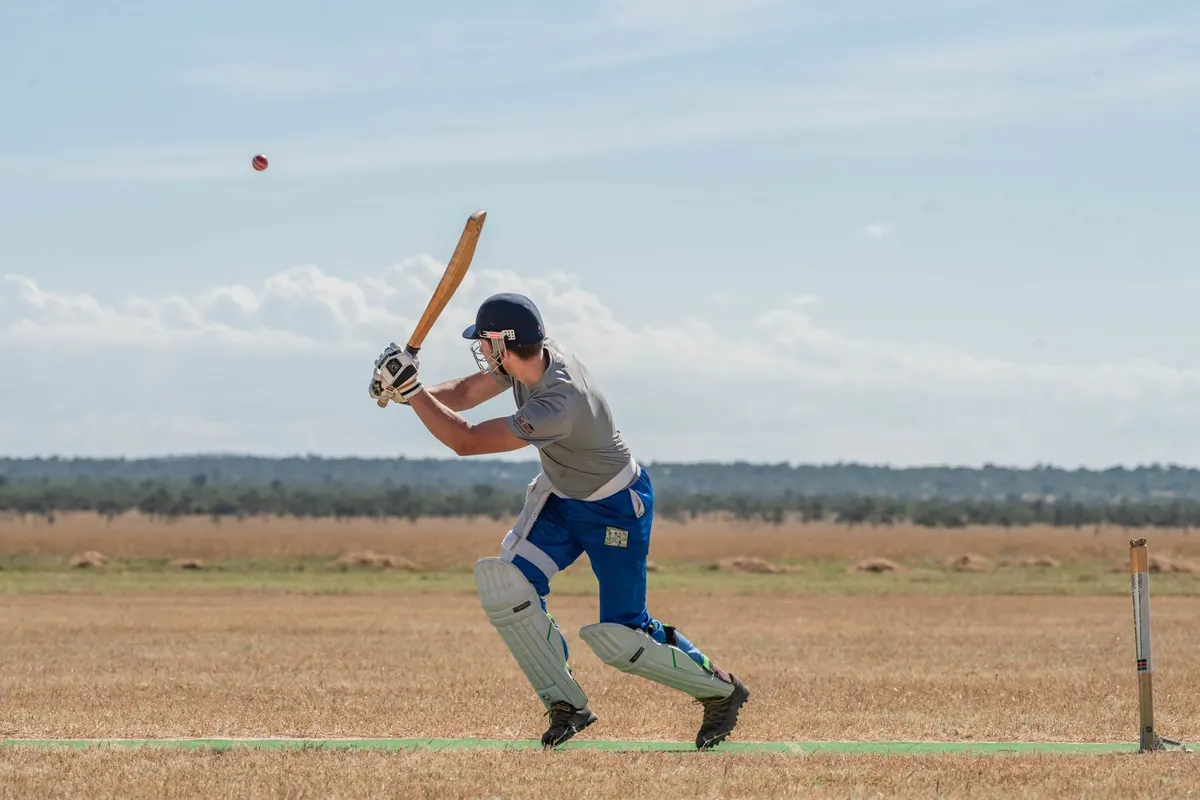
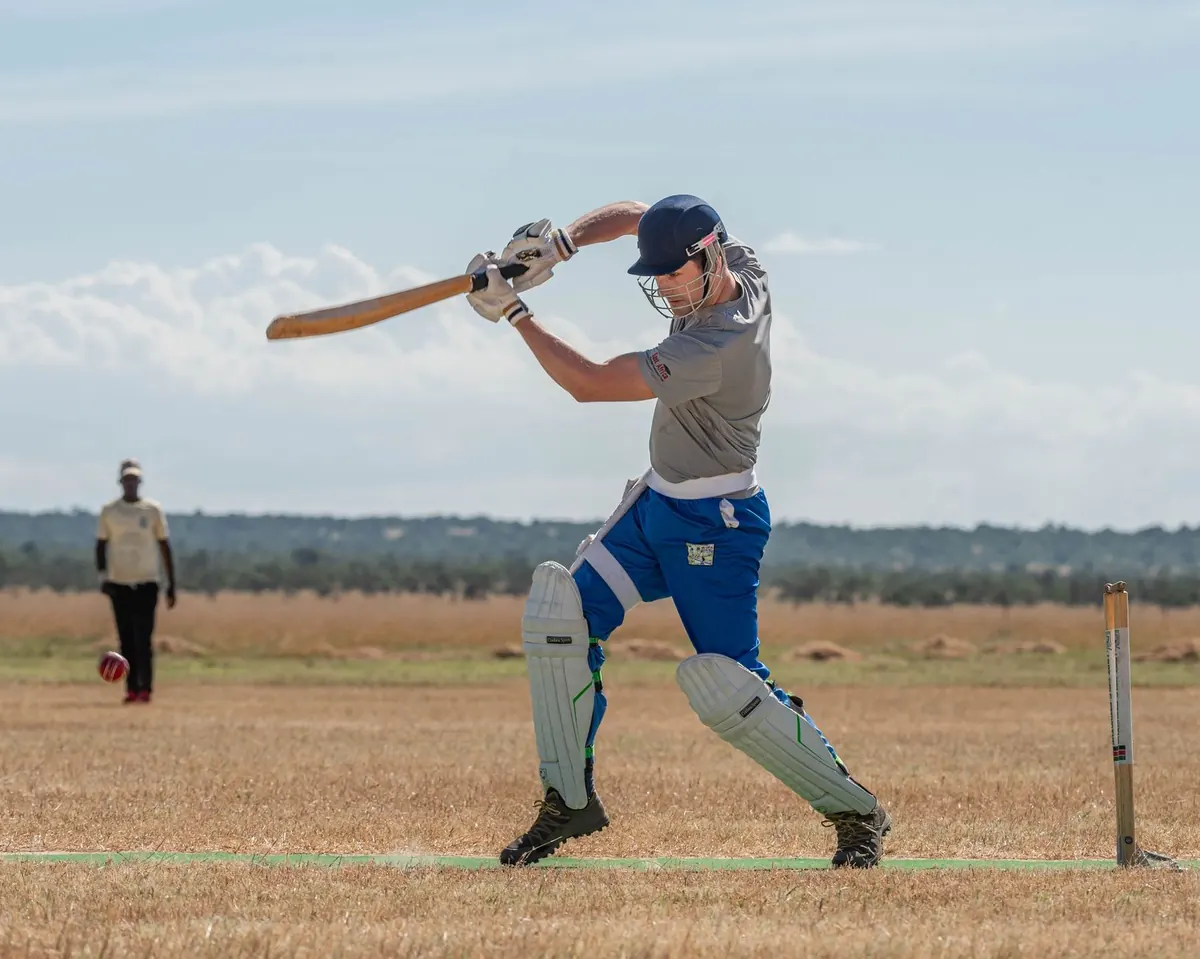
Stand in your stance with no ball. Work through your trigger movement, head still, front elbow, and full face of the bat. Do 20 shadow drives, 20 cuts, and 20 pulls. A mirror shows whether your head falls or your back foot collapses. Start slow, then increase speed while keeping balance.
2. Top-Hand and Bottom-Hand Drives
Place a tennis ball on a tee or cone at drive height. With your top hand only, play 10 drives and feel the high elbow and wrist control. Then use your bottom hand only for 10 drives, focusing on the face of the bat. Finish with 20 drives using both hands. Indoors, hit into a soft curtain or wall with a tennis ball.
3. Wall Rebound Batting
Stand two to three metres from a solid wall. Underarm a tennis ball into the wall, then hit the rebound with your bat. Start with straight drives, then move to cuts and pulls. Do three sets of 20. This trains reaction, timing, and watching the ball early. Keep your feet moving between shots.
4. Crease Footwork Pattern
Tape a line as your crease. Practise moving front foot to the ball, back foot deep, covering off stump, and leaving. Do 10 reps of each movement, first without a bat, then with one. This builds footwork habits you can trust against pace.
Bowling Drills Without a Batter
Without a batter, you can still sharpen your action, accuracy, and rhythm. Use targets and keep the focus on repeatable movement.
5. Target Bowling at a Single Stump
Set a single stump or bucket at a good length. Mark a landing box with tape or chalk. Bowl 10 balls from your full run-up, then 10 from a short run. Count how many hit the target. Change the target: top of off, wide yorker, or outside off for spin. Chasing a specific target keeps you honest.
6. Run-Up and Gather Rhythm
Measure your run-up with markers. Walk through it, jog through it, then bowl without a ball. Focus on smooth acceleration, a braced front leg, and a follow-through toward the target. Do 10 reps. Then bowl at 70% pace with a ball. If you spray it, slow down until the rhythm returns.
7. Wrist and Spin Isolation
For spinners, stand tall and flick the ball from hand to hand, focusing on wrist and fingers. Do 50 flicks. Then try one-knee bowling: kneel on one knee and bowl 15 balls with your upper body, feeling the front arm and revs. Pace bowlers can do wrist snaps, holding the ball and flicking it down into a wall from waist height for three sets of 15. Keep the elbow comfortable.
Fielding Drills in a Backyard or Hallway
Fielding is often the easiest skill to train alone. A wall, a tennis ball, and a little space are enough.
8. Wall Rebound Catching
Throw a tennis ball underarm against a wall from three to five metres away. Catch the rebound. Vary the drill: high catches, low catches, one-handed catches, and quick reaction catches. Do five sets of 20. Use soft hands, giving slightly as the ball arrives, and move your feet before the catch.
9. Close-Range Reaction Catches
Stand one to two metres from a wall. Throw the ball hard underarm into the wall and catch the rebound quickly. Do 30 catches. Keep your hands relaxed and your eyes on the ball. This sharpens reflexes for slip catching and close fielding. Indoors, use a soft ball only.
10. Pickup and Shy
Place six balls in a line. Start in a fielding stance. Move to each ball, pick it up, and throw at a single stump 10–15 metres away. Time yourself, then try to beat it with accurate throws. Indoors, skip the throw and practise clean pickups and quick transfers instead. Add long-barrier and backhand pickups if you have space.
A Simple Weekly Solo Routine
Use this as a template, not a rule. Adjust it to your level, space, and energy. Rest when you are sore.
- Monday: 15 minutes shadow batting, 15 minutes target bowling.
- Tuesday: 20 minutes wall catching, 10 minutes wrist flicks.
- Wednesday: Recovery: mobility, light stretching, or rest.
- Thursday: 20 minutes run-up and gather, 10 minutes target bowling.
- Friday: 20 minutes wall rebound batting, 10 minutes footwork pattern.
- Saturday: 45-minute circuit: 15 minutes batting, 15 bowling, 15 fielding.
- Sunday: Rest and review your
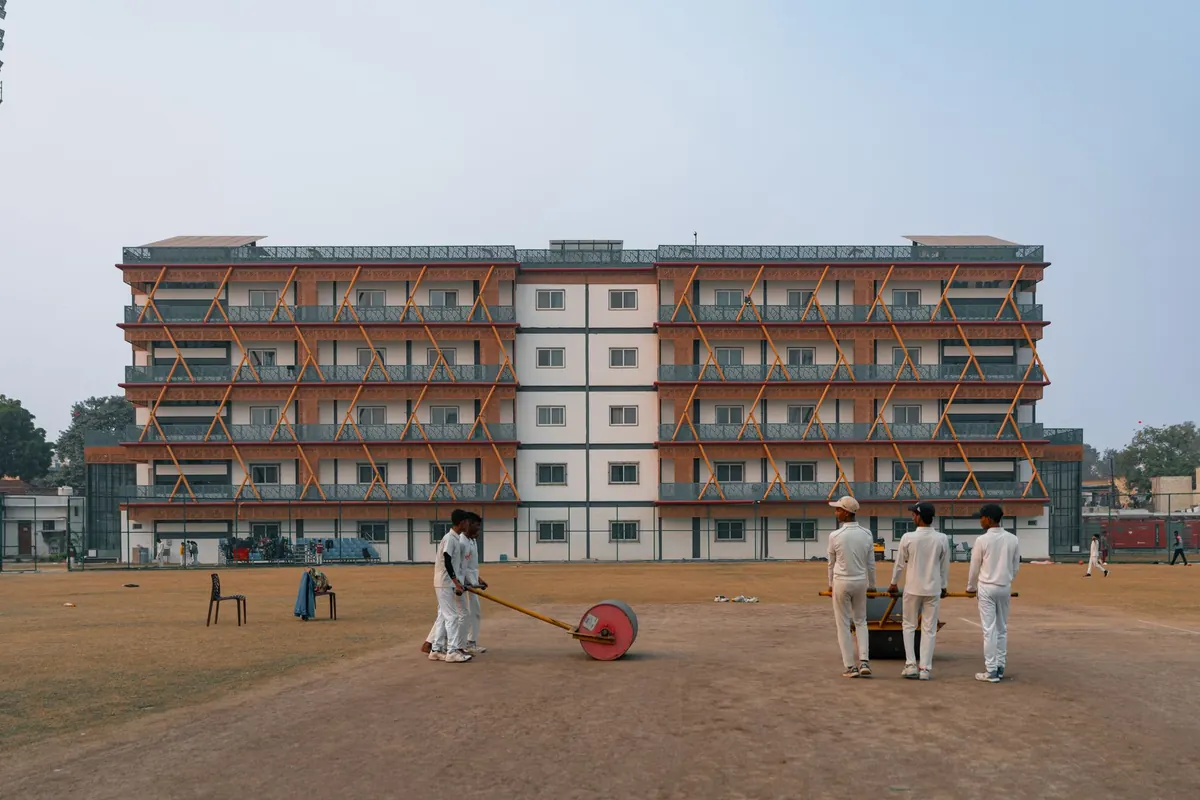
Photo: Arto Suraj / Pexels